How to Choose a Toilet for Chicago Homes: Flush Types, Rough-In, and Comfort Height
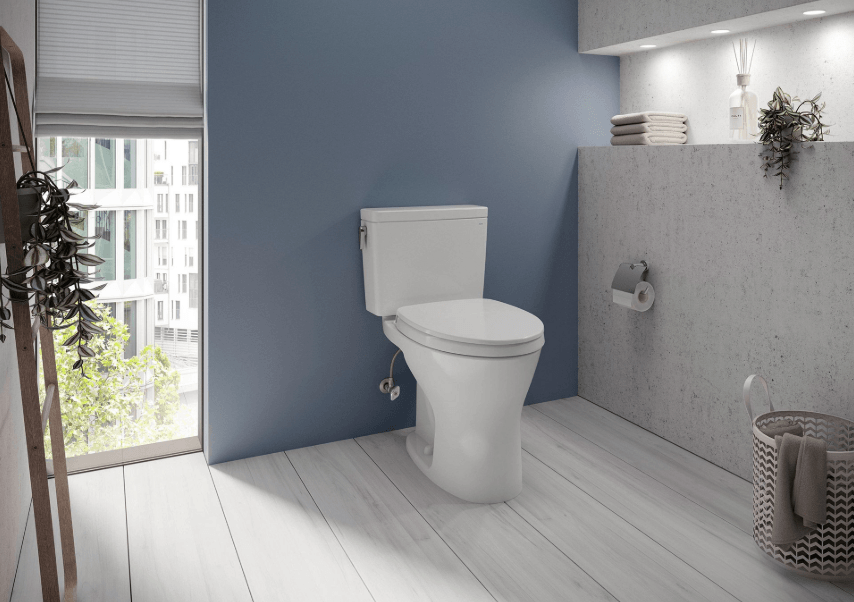
Buying a new toilet feels straightforward until you’re standing in a showroom surrounded by dozens of options, unsure whether the one you like will actually fit your bathroom. The wrong choice can mean an expensive return, a delayed renovation, or a toilet that technically works but never quite feels right. Knowing how to choose a toilet that fits your home, your plumbing, and your household’s daily needs makes all the difference between a smooth project and a frustrating one.
Chicago homes come with their own set of considerations. Whether you’re renovating a century-old bungalow in Irving Park or updating a condo bathroom in Lincoln Park, the decisions around measurements, flush performance, and comfort features are worth thinking through carefully before you buy. Browse our selection of toilets to get a sense of what’s available, or read on for a full breakdown of every decision point.
Why Getting the Right Toilet Right Matters for Chicago Homes
A toilet is one of the most frequently used fixtures in any home, yet it rarely gets the same deliberate attention as a vanity or faucet. The right choice keeps water bills down and cuts down on cleaning time and repair calls over the years.
For Chicago homeowners specifically, older housing stock adds a layer of complexity to toilet shopping. Many properties built before the mid-20th century have non-standard plumbing rough-ins and tighter floor plans, plus existing tile work that can complicate replacement. Understanding what to look for before you fall in love with a specific model helps you shop with confidence and avoid costly surprises.
Start with the Rough-In: The Most Critical Measurement
The rough-in measurement is what you need to confirm first. It determines whether a toilet will physically fit your bathroom’s existing plumbing. Get it wrong, and no amount of style or flush performance will save the installation.
The rough-in is the distance from the finished wall behind the toilet to the center of the floor drain, or closet flange. Most residential bathrooms use a 12-inch rough-in, and the majority of toilets on the market are designed to match that standard. A meaningful number of Chicago homes, particularly those built before the 1950s, have different configurations that require specific sizes to match.
How to Measure Your Rough-In
Measure from the finished wall surface, not from the baseboard trim. The baseboard can throw off your reading by an inch or more. Extend the tape to the center of the closet bolts at the base of the existing toilet. If the floor has been retiled or the wall refinished, confirm that your measurement reflects the actual finished surface. Measure at least twice before purchasing.
Standard vs. Non-Standard Rough-Ins in Older Chicago Homes
While the 12-inch rough-in is the standard in modern construction, older Chicago bungalows and two-flats frequently feature 10-inch or 14-inch rough-ins. A 10-inch rough-in typically appears in compact bathrooms where original plumbing was installed with less wall clearance. A 14-inch rough-in shows up in homes where the drain was run with more distance from the wall.
Installing a 12-inch toilet into the wrong rough-in will result in a toilet that either protrudes awkwardly or sits too close to the wall. If your rough-in requires adjustment or involves moving drain lines, that work requires a licensed plumber and likely a Chicago permit.
One-Piece vs. Two-Piece Toilets
Once you’ve confirmed your rough-in, the next practical decision is construction type. The table below summarizes the key differences.
| Type | Installation | Space and Cleaning | Affordability | Chicago Home Fit |
|---|---|---|---|---|
| One-piece | Heavier single unit; faster once in place | Smooth exterior, easy to clean; tends to sit lower | Higher purchase cost | Good for updated baths; compact footprint can help in tighter spaces |
| Two-piece | Lighter components; tank and bowl move separately | Joint between tank and bowl requires attention when cleaning | Generally more affordable; widest range of styles | Practical for older homes; pressure-assisted models widely available in two-piece format |
Both types are solid long-term investments when sourced from reliable manufacturers such as Toto, Kohler, or Grohe. Our showroom team can walk you through what we carry and which construction suits your project.
Flush Types and Water Efficiency
Flush performance is a core part of what makes a good toilet, and different systems work differently. Toilets account for roughly 30% of a home’s indoor water use, and older models may use up to 6 gallons per flush (GPF). The federal standard caps new toilets at 1.6 GPF, but high-efficiency models go well below that. EPA WaterSense-certified toilets use 1.28 GPF or less, and some advanced models reach as low as 0.9 GPF. Replacing an inefficient toilet with a WaterSense model can cut toilet water use 20 to 60%, saving nearly 13,000 gallons per home annually.
The table below covers the three main flush types we see customers choosing between.
| Flush Type | How It Works | Best Applications | Noise Level | Water Efficiency | Maintenance |
|---|---|---|---|---|---|
| Gravity-feed | Water drops from tank into bowl, creating a siphon | Most residential replacements; older Chicago homes | Quiet | Meets or exceeds 1.6 GPF standard; WaterSense models use 1.28 GPF or less | Minimal; few mechanical parts; straightforward repairs |
| Dual-flush | Two-button system: reduced volume for liquid waste, full flush for solid waste | Households focused on water savings | Quiet to moderate | Reduced flush uses less water than the 1.6 GPF full flush; WaterSense certified models available | Simple mechanism; occasionally requires seal maintenance |
| Pressure-assisted | Pressurized air forces water into bowl at higher velocity | High-demand bathrooms; commercial applications | Louder than gravity | Generally efficient; specific GPF varies by model | More complex; professional service recommended |
If you’d like guidance on which flush type suits your household’s needs, our article on choosing the right toilet goes deeper on performance trade-offs. You can also reach our team at 773-777-2670 or stop by our showroom at 6949 W. Irving Park Rd. to see display models in person.
Bowl Shape and Toilet Height
Beyond plumbing compatibility and flush mechanics, the physical shape and height of the toilet bowl directly affect daily comfort. Both are standardized enough to compare clearly across brands.
Round vs. Elongated Bowls
Round bowls have a shorter front-to-back depth, making them practical in tighter bathrooms where every inch matters. Compact older Chicago bathrooms are a common fit for round bowls. Elongated bowls extend roughly two inches further from the wall, which most adults find noticeably more comfortable for extended use.
The decision usually comes down to space versus comfort. If your bathroom has adequate clearance and the household is primarily adults, an elongated bowl tends to be the better long-term choice. If you’re working with a compact layout, a round bowl can make a meaningful difference in how accessible the rest of the bathroom feels.
Standard vs. Comfort Height and ADA Considerations
Standard height toilets typically sit between 14 and 16 inches from the finished floor to the rim. Comfort height toilets range from 17 to 19 inches, which mirrors a standard chair height and is what many adults find more natural. These taller models meet ADA height guidelines, making them a practical choice for seniors and anyone with mobility considerations.
Families with young children may want to factor in that a taller bowl can be less accessible for small kids, so think through who uses the bathroom most frequently before deciding.
Bathroom Clearance and Installation
Selecting the right toilet is only part of the process. Chicago building codes call for at least 15 inches of unobstructed clearance from the centerline of the toilet to any adjacent wall or fixture, and at least 21 inches of open space in front of the bowl. Standard toilets typically require roughly 28 to 30 inches of depth, 20 inches of width, and 27 to 32 inches of height.
A wider tank might push against a nearby vanity in a tight bathroom, so check the full footprint of any model you’re considering, not just the rough-in. Also confirm the location of your water supply line, since some toilet designs require a side-entry connection while others accommodate a rear or bottom connection. Any rough-in changes or new drain line work should go to a licensed plumber and may require a Chicago permit.
Budget and Long-Term Value
Toilet prices vary across a wide range. Entry-level two-piece models from reliable brands and high-end one-piece toilets with advanced features sit at opposite ends of the spectrum. The right price point depends on your renovation goals, how long you plan to stay in the home, and how much value you place on features like easy-clean surfaces, quiet-close seats, and dual-flush efficiency.
A low-maintenance toilet reduces long-term cost. Models with fully glazed trapways and smooth vitreous china are easier to keep clean and less prone to mineral buildup. Investing in quality flushing components from a reputable manufacturer also reduces the likelihood of running repairs over time. Prioritizing durability and brand backing from manufacturers like Toto, Kohler, or Grohe tends to deliver the strongest long-term value regardless of the price tier you’re working in.
Visit Our Showroom or Contact Our Team
See Toilets in Person Before You Buy
For everything we’ve covered in this guide, there’s no substitute for standing in front of a working display model. At our showroom at 6949 W. Irving Park Rd. in Chicago, you can test seat height, assess flush noise on display units, and compare bowl shapes side by side. Our staff can walk you through rough-in compatibility, WaterSense options, ADA considerations, and construction trade-offs without the pressure of a big-box retail environment.
We carry toilets from trusted manufacturers including Toto, Kohler, and Grohe, and our team works with both trade professionals and homeowners throughout Chicago every day. Bring your rough-in measurement and any notes about your bathroom layout, and we’ll help you narrow the options quickly.
Ready to Shop or Talk to an Expert?
Browse our selection of toilets online to see what we carry, or call us at 773-777-2670 to speak with a member of our team. Whether you’re replacing a single toilet or planning a full bathroom renovation, we’re here to help you get it right the first time.