
The Complete Guide to Shower Valves and Trim Kits
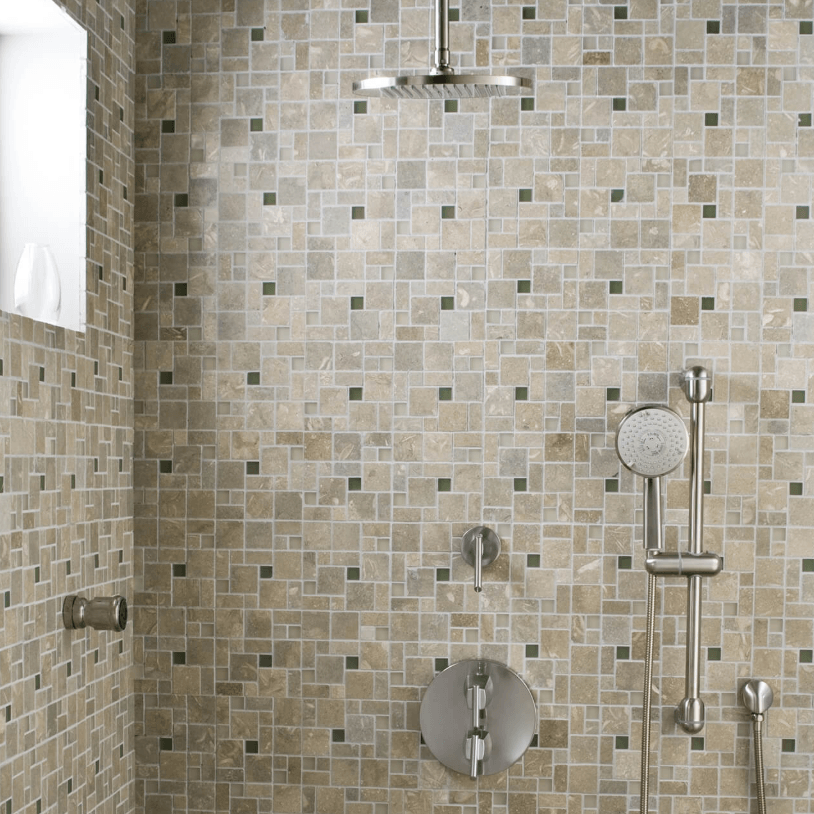
Your morning shower might seem straightforward, but behind that perfectly balanced water temperature lies some pretty sophisticated engineering. Here’s the thing: shower valves and trim kits work as a team, with one controlling water flow and temperature hidden behind your wall while the other handles all the visual style you actually see and touch every day. Getting these components right can completely change how your shower feels (and prevent some expensive headaches down the road). Visit our Chicago showroom to see working displays that’ll help you make smart decisions for your bathroom project.
Understanding Shower Valves and Trim Kits: The Foundation of Your Shower System
Think of your shower system in two layers. Behind your bathroom wall, the valve is doing all the heavy lifting with water temperature and pressure regulation. What you see and interact with? That’s the trim kit: handles, the decorative plate around everything, and where your showerhead connects. They work together seamlessly, but they’re solving completely different problems.
The valve determines how your shower actually performs. It’s mixing hot and cold water, keeping temperature consistent, and preventing you from getting scalded when someone flushes a toilet. Modern valves pack some pretty intricate stuff inside: springs, seals, and thermostatic cartridges that react instantly to pressure changes. When your water pressure drops somewhere else in the house, a good valve adjusts immediately so you don’t get blasted with hot water.
Trim kits handle everything you care about aesthetically. They let you express your style through finish choices, handle designs, and different configurations. The best part? You can swap out trim later without touching that valve behind the wall. This gives you flexibility for future updates while keeping all the mechanical stuff reliable.
Types of Shower Valves Explained
The valve type you choose will affect your daily shower experience more than you might expect. Each category tackles specific problems and works better for different household situations.
Pressure-Balancing Valves
These valves protect you from those sudden temperature jolts when water demand changes elsewhere in your house. Inside, there’s a piston that shifts based on the relative pressure between hot and cold water lines. Someone flushes the toilet and temporarily drops your cold water pressure? The piston automatically restricts hot water flow by the same amount.
This technology matters most if you’ve got multiple bathrooms or older plumbing where pressure swings happen regularly. Families with little kids really appreciate the safety aspect since the valve physically limits how hot the water can get. Chicago building codes actually recognize this benefit, making pressure-balancing valves the minimum standard for most installations.
You’ll typically find these with a single handle that controls both temperature and flow rate. Pretty intuitive to use, though you give up some temperature precision compared to fancier options.
Thermostatic Valves
Thermostatic valves keep your chosen temperature with incredible accuracy (usually within a degree or two). Instead of just reacting to pressure changes like pressure-balancing valves, these actively monitor water temperature using mechanisms that expand and contract with heat.
Set your preferred temperature once, and the valve delivers that exact temperature every single time. Even dramatic pressure changes won’t mess with your shower. The valve automatically adjusts the hot-cold mix to compensate.
Most thermostatic systems use separate controls for temperature and flow, giving you precise control over everything. Some models include individual volume controls for each outlet, so you can fine-tune flow to your overhead rain head and body sprays independently.
The investment makes sense for households where multiple people want the same consistent experience, or for luxury bathrooms with multiple spray outlets. They cost more and need more complex installation, but many homeowners consider the superior performance essential.
Diverter and Volume Control Valves
Diverter valves add flexibility to systems with multiple water outlets by redirecting flow between different fixtures without messing with temperature or overall volume. Common uses include switching between an overhead rain head and a handheld spray, or between your tub spout and showerhead.
Volume control valves let you adjust flow independently for specific outlets. Maybe you want to dial back the body sprays while keeping full pressure to your main showerhead. This control becomes really valuable in custom installations where you’re creating different bathing experiences.
Both functions often get integrated into thermostatic valve systems, resulting in control panels with multiple handles or dials for specific functions. The complexity increases installation requirements and costs, but transforms an ordinary shower into something pretty special.
Shower Trim Kit Styles and Design Options
Trim kits create your shower’s personality while providing the interface you use every day. The choices here significantly impact both how everything looks and how it feels to use. When you’re considering style options, browse our bathroom fixture selection to see how trim kits work with other elements in your space.
Single-Handle vs. Dual-Handle Configurations
Single-handle trim kits put temperature and volume control into one moving part. You rotate the handle to adjust temperature and pull, push, or lift it to control flow rate. The whole thing feels pretty intuitive, and most people figure out their shower without thinking after a few uses.
These work great in compact shower enclosures where wall space is tight. The simpler mechanism generally costs less and has fewer parts that might eventually need service. Families with kids often prefer single-handle designs because they’re easier for small hands to manage.
Dual-handle configurations separate temperature and volume controls, giving you more precise control over your shower experience. Some people just prefer how dual handles look, especially in vintage or transitional bathroom designs where modern single-handle options might feel out of place.
Your choice connects back to valve type. Pressure-balancing valves typically pair with single-handle trim, while thermostatic systems often use dual or triple handles to access all those available controls.
Popular Finishes for Chicago Bathroom Remodels
Chrome remains the most popular choice because it’s durable and works with virtually any design style. The bright, reflective surface makes bathrooms feel larger, though it shows every water spot more than other options.
Brushed nickel has really taken off in Chicago remodels. The muted, slightly textured surface hides fingerprints and water spots better than chrome while keeping that contemporary look. Many homeowners pick brushed nickel specifically because it needs less frequent cleaning.
Matte black fixtures make bold statements in modern bathrooms. You’ll see water spots and soap residue clearly, so they need regular attention. But that dramatic look appeals to homeowners who want something distinctive, particularly in master bath remodels.
Oil-rubbed bronze brings warmth and traditional character to bathrooms. It works beautifully in homes with craftsman, transitional, or vintage-inspired designs. The finish needs specific cleaning products to maintain its appearance without causing discoloration.
Coordinating your trim kit finish with other bathroom fixtures creates visual harmony. Most manufacturers offer matching collections across faucets, towel bars, and other hardware.
How to Choose the Right Shower Valve for Your Chicago Bathroom
Picking the right valve means evaluating your existing plumbing setup and household needs rather than just shopping based on features or price.
Assessing Your Current Plumbing Setup
Your home’s plumbing system sets boundaries for what valve types will actually work well. Older Chicago homes might have galvanized pipes, reduced water pressure, or outdated configurations that limit your options. Water pressure particularly matters because thermostatic valves need adequate flow from both hot and cold supplies to function properly.
Where your water heater sits relative to your bathroom affects performance too. Long pipe runs mean you’re waiting longer for hot water, and temperature might fluctuate more during that initial adjustment period. Homes with tankless water heaters face different considerations than those using traditional storage tanks.
Think about whether you want a straightforward replacement or plan to add features like body sprays, multiple showerheads, or handhelds. Simple valve swaps work with existing rough-in plumbing, while adding outlets means modifying pipes behind the wall.
Matching Valve Type to Your Household Needs
Large families with multiple people showering during morning routines need valves that recover quickly and maintain performance despite heavy demand. Pressure-balancing valves excel here because they’re simple, reliable, and less expensive to install at multiple bathrooms.
Homes with elderly residents or mobility concerns benefit from thermostatic valves that can be preset to safe temperatures. The separate temperature control prevents accidental scalding while letting users adjust flow rate independently.
Couples where each person prefers drastically different shower temperatures often find thermostatic valves worth the extra investment. That precise temperature control means each user gets their preferred experience without spending time making adjustments.
Budget considerations go beyond initial purchase price. Thermostatic valves cost more upfront but potentially save water over time because users spend less time fiddling with temperature.
Valve and Trim Kit Compatibility: What Chicago Homeowners Need to Know
Manufacturers design trim kits to fit specific valve series within their product lines. A Kohler trim kit won’t mount to a Grohe valve, and even within a single brand, not all trims fit all valves. The valve’s rough-in dimensions, mounting pattern, and stem configuration must match the trim kit’s specifications exactly.
Manufacturers typically offer multiple trim options for popular valve models. You might install one valve type but choose from five or ten different trim kits with various styles, finishes, and handle configurations. This approach lets you update your bathroom’s appearance later by simply replacing the trim while leaving the valve alone.
Valve bodies get installed during rough-in plumbing work, often months before trim installation. This timing requires planning ahead and buying the valve even if you haven’t settled on trim selections yet. You can delay trim decisions until you see the finished bathroom space.
Keep documentation for both your valve and trim kit. Model numbers and spec sheets become valuable when you need replacement parts years later or decide to update your trim.
Top Shower Valve and Trim Kit Brands We Carry
Premium and Mid-Range Options
Brand selection matters because these systems need to perform reliably for decades. Established manufacturers invest in engineering and quality control that directly benefits homeowners through better performance and easier service. Explore our full range of trusted manufacturer partners to find the right fit for your project.
Grohe brings German engineering precision to shower systems. Their valves use ceramic disc technology that resists wear and maintains consistent performance over time. Grohe thermostatic systems are particularly well-regarded for temperature stability and durability.
Kohler products balance innovation with practicality. As an American manufacturer with over a century of plumbing experience, they design products that work reliably in real-world conditions. Their extensive product range means you can find options at various price points while maintaining quality standards.
Value-Focused and Specialty Brands
American Standard delivers dependable performance at competitive prices. Their valve technology focuses on core functionality rather than luxury features, keeping costs manageable without sacrificing reliability. The brand appeals to contractors and homeowners managing multiple bathrooms on a budget.
Moen, Delta, Hansgrohe, and Brizo round out our selection with distinct approaches to shower control technology. Each brand brings specific strengths in design, innovation, or value that appeal to different homeowner priorities.
Allied Plumbing & Heating Supply Co. stocks products from these manufacturers because they meet high standards for quality and provide good long-term value. Our showroom lets you compare brands directly and understand differences in feel, operation, and build quality.
Installation Considerations and Chicago Plumbing Code Requirements
Installing shower valves involves more complexity than most DIY projects. The work requires understanding both mechanical plumbing and local building codes, making professional installation the right choice for most homeowners.
Current Chicago plumbing code requires maximum shower water temperature limits to prevent scalding injuries. Valves must include features that restrict maximum temperature, typically around 120 degrees Fahrenheit. Any remodel involving shower valve replacement needs to bring the installation up to current code requirements.
Valve installation typically happens during rough-in plumbing, before walls get closed up. Precise positioning matters because the valve needs to align correctly with the finished wall surface once tile or other materials are installed. Get this depth wrong and your trim kit won’t mount properly or seal correctly.
Professional Installation vs. DIY Projects
Hiring licensed plumbers ensures compliance with Chicago plumbing codes and protects your investment through quality workmanship. Professionals understand rough-in requirements, have proper tools, and carry insurance covering any damage during work. They also pull required permits and schedule inspections.
Trim kit installation represents the more accessible DIY opportunity. If your valve is already properly installed behind the wall, mounting the trim requires basic hand tools and careful attention to manufacturer instructions.
Visit Allied Plumbing & Heating Supply Co.
Explore Our Showroom and Inventory
Selecting shower valves and trim kits requires balancing technical requirements, aesthetic preferences, and budget constraints. Allied Plumbing & Heating Supply Co.’s showroom at 6949 Irving Park Rd. provides the hands-on environment you need for confident decisions.
Working displays let you operate different valve types and experience how various handle configurations actually feel. You can compare finishes under proper lighting and see how trim kits coordinate with other bathroom fixtures. This direct interaction reveals details that online shopping simply can’t convey.
Our inventory includes products from Grohe, Kohler, American Standard, Moen, Delta, Hansgrohe, and Brizo. Our large on-site warehouse maintains strong stock levels, meaning less waiting for backordered products. Expert staff bring over 30 years of industry knowledge to guide your selections based on your actual plumbing situation and Chicago’s specific conditions.
Hours, Services, and Next Steps
We’re open 7:30 AM to 5 PM weekdays and 7:30 AM to 2 PM Saturdays for your convenience. Free estimates provide pricing clarity before you commit. Same-day delivery on in-stock items keeps projects moving forward.
Contact our team to discuss your bathroom project, or visit our showroom to explore options in person. For more guidance on bathroom upgrades and plumbing projects, check out our blog for additional resources.
Find the perfect shower valves and trim kits Chicago bathrooms deserve.