How To Prevent Basement Flooding With the Right Pump System
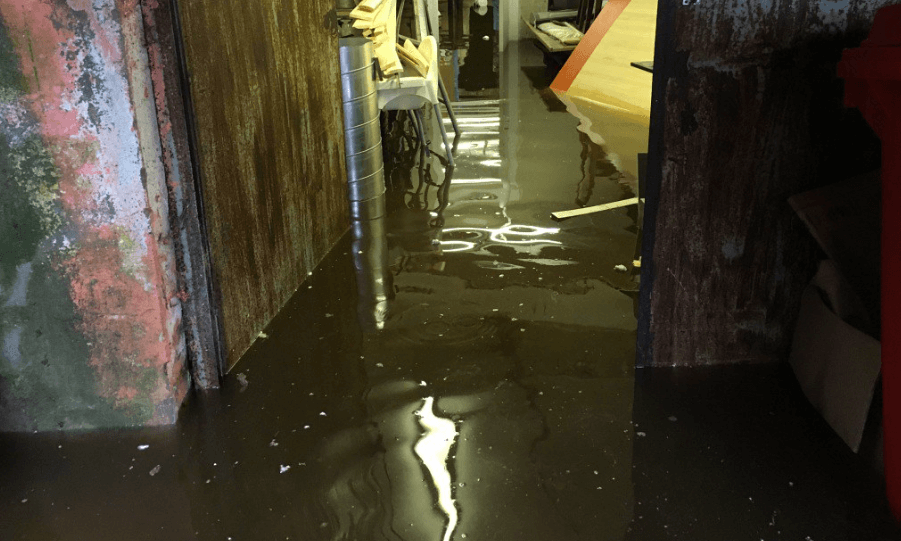
Are you looking for a sump pump for a flooded basement? Basement flooding affects Chicago homes much too often, leaving behind thousands of dollars in damage that thoughtful planning could have averted. Investing in a good pump system can be your best defense against water damage caused by the Chicago area’s clay soil, summer downpours, and spring snowmelt.
Understanding Basement Flooding Risks and Early Warning Signs
This area of Illinois is prone to heavy rains and clay soil, which can put pressure on foundations. Foundation cracks become water pathways, and poor drainage exacerbates the problem.
Your basement may provide some early warning signs of potential problems. Look for water stains in beige, yellow, or brown colors, musty odors, and mold growth. Foundation cracks, white chalky residue, peeling paint, and bubbling drywall indicate moisture issues.
Basement flooding solutions, such as a sump pump, are less costly than repairing water damage; 1 inch of water can cause up to $25,000 in repairs. Around 60% of U.S. homes experience basement flooding, and industry estimates suggest that 98% of homeowners will encounter some form of water damage at least once in their lifetimes.
Choosing the Right Pump System for Your Basement
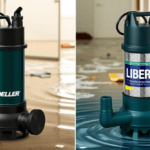
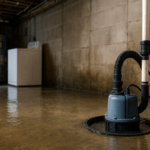
A submersible pump sits underwater in sump pits where water can cool its motor, preventing overheating. They’re quiet, powerful, and space-saving, but they’re the most expensive option. These pumps have an eight to 12-year life span, though their underwater motors make maintenance more difficult.
The motor is above water in a pedestal pump. They cost less, last longer, and fit in small sump pits. However, they’re louder, need more space, and offer less power. Chicago’s clay soil usually requires submersible pumps for higher water volumes. Our Allied Plumbing & Heating Supply sump pump lineup is comprehensive; we’re sure to have the right pump to prevent basement flooding.
You’ll need to determine the right size for your home. Home systems can typically handle from 35 to 60 gallons per minute. A 1,500-square-foot basement needs a one-half-horsepower pump; smaller spaces use a one-third-horsepower version, and heavy water areas need a three-fourths-horsepower model. Pits should be from 18 to 24 inches across and at least 24 inches deep.
Choosing Between Professional Installation vs. DIY
Professional sump pump installation in Chicago can cost anywhere from $800 to $3,000, while doing it yourself ranges from $300 to $800, depending on your choice of pump and its features. It looks less expensive to do it yourself, but you could run into more complex water issues that demand professional attention.
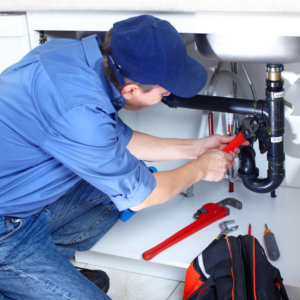
However, a DIY approach may work for straightforward jobs as long as you prepare and have the proper tools. You’ll need a jackhammer for concrete, measuring tools (a drill and a level), pipe tools (wrenches and cutters), and safety gear (glasses, gloves, knee pads, and lighting). Materials include the pump, an 18- to 24-inch basin, gravel, PVC pipes, a check valve, and sealing materials.
Chicago building codes usually require pulling permits, and our Allied Plumbing & Heating Supply technicians can handle electrical work, foundation repairs, and structural issues. We also know how to route water to prevent it from flowing back to your home’s foundation. Don’t forget that poor installation can void your pump’s warranty and create liability risks.
Comprehensive Basement Waterproofing Strategy
Multiple layers of protection are the most effective approach. Exterior drainage solutions, such as grading and landscaping, French drain systems, and waterproofing, work with pumps as your final defense. Exterior waterproofing provides the best below-grade protection, costs between $8,000 and $15,000, and lasts for 20 to 30 years. It can also withstand 8 to 12 feet of water pressure. Dampproofing is less expensive but only lasts for five to 10 years.
Surface management addresses flooding by redirecting water. Downspouts should extend 5 feet from homes and be cleaned twice a year, and your yard’s grading should slope away from your foundation. Exterior French drains are another option, and cost $15 to $35 per foot.
Interior drainage systems cost between $4,000 and $8,000 and typically take one to two days to install. There’s no landscape disruption, they’re easy to maintain, and they have a service life of over 20 years.
Essential Pump System Maintenance and Testing
Don’t forget that insurance requires proper maintenance documentation for water damage coverage. Regular upkeep prevents 85% of pump failures, so test your system at least twice a year, and quarterly in flood-prone areas. Check the inlet screens for debris monthly, and inspect for wear, leaks, and blockages quarterly.
Your battery backup requires monthly testing and replacement every two to three years, depending on the model. Clean your sump pit regularly; debris reduces its efficiency and puts unnecessary strain on the pump’s motor.
It’s best to test the whole system before spring. Warning signs of problems that might need professional attention include pumps running nonstop, unusual noises that could indicate mechanical wear, poor pumping, and humming without moving water.
Additional Flood Prevention Measures
Backwater valves prevent sewer backups when Chicago’s combined system becomes overwhelmed and pushes wastewater back into homes. These valves block reverse flow and protect your home from contaminated water. Regular plumbing inspections can prevent hidden leaks that can add to moisture problems and increase flooding risks.
Smart water leak detectors spot leaks within two seconds and sound 105-decibel alarms. Automatic pit monitors warn of flooding and pump failures; their sensors can alert you to water level changes within 10 seconds, and a Wi-Fi connection allows you to check your basement’s status from anywhere.
Rain barrels connected to downspouts can manage runoff, store water for your garden, and reduce drainage loads. Temporary flood barriers may help during extreme weather.
Troubleshooting Common Pump System Issues
Most pump problems have simple solutions. Pumps that won’t start usually indicate electrical issues, burned-out motors, clogs, or bad float switches. Check the power first, then inspect the float switches. Pumps that run continuously often have stuck floats, incorrect adjustments, failed check valves, or undersized pumps.
Poor pumping suggests discharge clogs, wrong sizing, or worn parts. Pumps that hum without moving water likely have blocked intakes, jammed parts, or failing motors that need professional attention. A large majority of pump failures can be prevented through monitoring, so watching these signs helps avert emergencies during storms.
Protect Your Home With the Right Pump System Investment
Proper basement flood prevention delivers immediate protection as well as long-term financial rewards. Good waterproofing can increase your home’s value by up to 30%, while wet basements can reduce it by up to 25%.
Well-maintained sump pumps last over 10 years, though Chicago storms can shorten that life span without proper upkeep.
Order Your New Sump Pump From Allied Plumbing & Heating Supply Today
Taking action today, before flooding hits, is preferable to repairing flood damage. Your investment in the right pump system and regular maintenance provides decades of protection against damage that could ruin your basement. Don’t wait for the next storm. Contact Allied Plumbing and Heating Supply today for expert advice on the right pump system.
basement flooding 2015 by Flood Risk Management is licensed with CC BY-SA 2.0