How Long Do Water Heaters Last? Signs It’s Time To Replace Yours

Water heaters help to keep our homes comfortable, yet most homeowners take them for granted until they break down. Knowing the approximate life span of your water heater can help you avoid surprise repairs and cold showers while making smarter maintenance choices. Read on as our team at Allied Plumbing & Heating Supply Co. in Chicago, Illinois, explores water heater life spans and when to repair or replace a water heater.
Water Heater Lifespan by Type: What Homeowners Can Expect
Different types of water heaters have varying life spans, but proper maintenance can help to extend any unit’s life.
Tank Water Heaters (Gas and Electric): 8-12 Years
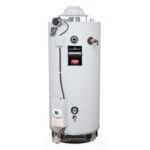
Gas tank water heaters typically last for about eight to 12 years, while their electric counterparts might last a couple of years longer. Electric models tend to outlast gas ones mainly because they have fewer moving parts and no burner that can wear out or break down.
These traditional tank heaters continuously store and heat water, which takes its toll over time, causing internal corrosion and sediment buildup. Once your water heater hits the 10-year mark, you can expect its performance to drop, as older units consume more energy to keep your water hot compared to newer models.
Tankless Water Heaters: 20+ Years
Tankless water heaters tend to outlast traditional tanks by quite some way, typically running 15 to 20 years with proper care. They heat on demand rather than storing water, avoiding the corrosion issues you get with tanks and staying more efficient for longer. While tankless units have higher upfront costs, this is balanced out through their extended life span and energy efficiency, which lead to long-term savings.
Heat Pump Water Heaters: 10-15 Years
Heat pump water heaters work by extracting heat from the surrounding air, making them more energy-efficient than standard models. This gentler heating approach typically helps them last longer than tank heaters, and with proper care, these units should last 10 to 15 years.
These efficient units use two to three times less energy than traditional electric water heaters, meaning a family of four can save over $500 annually by switching to a heat pump model. They do need some maintenance, though; keeping the air filters clean and making sure they have good airflow helps them run their best. For many homeowners, their middle-of-the-road life span combined with major energy savings makes heat pump models an attractive option.
Key Factors That Influence Water Heater Longevity
You have more control over your water heater’s life span than you might think. Water quality, installation, usage patterns, and maintenance habits all determine whether your unit lasts or fails early. Paying attention to these factors can add years of efficient service.
Water Quality and Sediment Buildup
Hard water minerals, such as calcium and magnesium, can coat the inside of a tank heater, forcing it to work harder. These minerals also create a barrier between the heating elements and the water, wasting energy and accelerating wear and tear. Water softeners can help, as can yearly tank flushing, which removes buildup that shortens your system’s life. An hour of maintenance can potentially save you thousands in replacement costs later on.
Installation Quality
A poorly installed water heater can fail much sooner than expected. Good installation includes proper ventilation, easy access for service, correct venting for gas models, and proper electrical connections for electric units. These details don’t just affect how long your heater lasts; they also impact safety and efficiency throughout its life. Money spent on quality installation now can save you much more down the road.
Household Usage and Maintenance Frequency
Heavy hot water usage will shorten the life span of your water heater. A typical U.S. household uses around 300 gallons of water per day, but large families can double this consumption, accelerating heater wear.
Regular maintenance, such as tank flushing and anode rod replacement, can extend the life span of your water heater significantly and help avoid early replacement.
8 Warning Signs Your Water Heater Is Near the End of Its Life
As water heaters age, their failure rates rise dramatically. If your unit is over 10 years old and shows any of the following signs, it might be time for a replacement:
- Leaks
- Inconsistent operation
- Rust-colored water
- Rumbling, popping, or banging sounds
- Variable water temperatures
- Rising energy bills
- Frequent repairs
- Insufficient hot water
These warning signs suggest internal corrosion and sediment buildup or a failing heating element.
When Should You Replace a Water Heater
Follow the 50% rule when deciding whether to repair or replace your water heater: if repair costs exceed half the replacement price, buy a new unit. Repairs typically make sense for younger systems (those under 7-8 years old), as most minor repairs, such as thermostats or pressure valves, cost just a couple of hundred dollars. However, if you find yourself paying for multiple service calls in a year, it may be a sign that it’s time for a replacement.
Get Professional Water Heater Advice You Can Trust
Knowing how long water heaters last and when it’s time for a replacement puts you in control of your home’s hot water situation. Whether your unit’s getting old, showing symptoms of failure, or you’re planning an upgrade, getting professional advice can help.
For expert advice on replacing your current water heater, contact us at Allied Plumbing & Heating Supply Co. We can walk you through your options to help you find the right solution for your specific needs. That way, you can keep your home’s hot water flowing reliably for years to come.
A Kitchen Design by Jaycee300s is licensed with Pexels License