High Efficiency Toilets How Much Water and Money You Can Save
Chicago homeowners are watching utility costs climb, but there’s a simple fix that can cut water use by up to 60% and put real money back in your pocket each year. Switching to high-efficiency toilets is one of the smartest home upgrades you can make to start saving money immediately. If you live in an older home or want to shrink your environmental footprint, knowing exactly how much cash and water you’ll save will help you decide if this upgrade is right for you.
The Rise of High-Efficiency Toilets
Toilet water conservation wasn’t a priority until the early 90s. Environmental concerns and water shortages prompted federal action in 1992, capping toilet water usage at 1.6 gallons per flush.
The contrast is dramatic. Pre-1990 toilets used 3-7 gallons per flush, while today’s water-saving models use just 1.28 gallons. Tech improvements continue with better flushing systems, smarter bowl shapes, and efficient water flow patterns.
Why Water Efficiency Matters
Toilets are the biggest water users inside your home. The EPA says they account for about 30% of indoor water use, making them prime targets for reducing water consumption. If you’re paying municipal water rates, that’s a big chunk of your monthly bills. The benefits go beyond your wallet, too. Using less water means treatment plants don’t work as hard, reducing energy use for water heating and processing.
What Makes a Toilet Highly Efficient?
The EPA’s WaterSense program certifies products that use 20% less water than standard models while maintaining performance. Toilets must pass rigorous testing and use no more than 1.28 gallons per flush to earn certification. Tests cover flushing different materials, bowl cleaning, waste transport, and extraction capabilities.
Types of High-Efficiency Toilets
Different systems maintain flushing power while saving water. Dual-flush toilets offer a choice of 0.8 gallons for liquid waste and 1.28 gallons for solid waste. Pressure-assisted models use compressed air for forceful flushes at 1.0-1.6 gallons. Gravity-flush toilets rely on gravity to move water from the tank to the bowl. Consider your household needs and usage patterns to choose the right high-efficiency toilet.
How Much Water and Money Can You Actually Save?
In a typical household, efficient toilets save up to 13,000 gallons of water per year, which translates to about $170 off your water bill. The EPA suggests that families can save about 4,000 gallons annually with a WaterSense model. On average, people flush five times per day, so a water-saving toilet can save 28.6 gallons per person daily. Chicago families with multiple bathrooms will see even bigger savings, and the difference will be noticeable on your next bill.
Real-World Financial Benefits
With a high-efficiency toilet, you’ll save approximately $3,400 over its lifetime. Most last 10-15 years, so savings far exceed upfront costs. High-efficiency upgrades have already saved 757 billion gallons of water nationwide. Your home’s value increases, too, as water-efficient fixtures attract potential buyers.
Rebates, Incentives, and Tax Credits
Some utility and city rebate programs will cover 25%-50% of the cost of installing a WaterSense toilet, helping you reach break-even faster. Rebates vary by location and utility company, with some now offering as much as $150 per toilet. Chicago homeowners should check with their local utilities and use the EPA’s WaterSense Rebate Finder to see what’s available in their service area.
Performance and Reliability: Clearing Up Common Myths
While early 90s low-flow toilets performed poorly, today’s models are different. Modern engineering focuses on efficiency over water volume. Pressure-assisted toilets have fewer clogs and clean more effectively. Look for Maximum Performance ratings between 350 and 1,000 grams and those with wider trapways (over 2.125 inches), which can cut clogging by 35%. That way, you can get the performance that matches older toilets while saving water.
Choosing and Maintaining the Right Toilet for Your Home
Water-saving toilets typically cost $100-$500 plus $100-$200 for installation. Mid-priced models ($200-$350) often score highest in performance tests. Before purchasing, check your home’s water pressure first, as gravity-feed toilets need a minimum of 10 psi, and pressure-assisted models need 25 psi. Professional installation is recommended to protect warranties.
Key Selection Tips
Bowl shape matters for comfort and space. Round bowls save space in small bathrooms, but elongated bowls are more comfortable. Standard toilets are usually 14-16 inches high, but you can opt for a comfort height model, which is typically 17-19 inches. Most use 12-inch rough-in measurements, but older homes may have 10 to 14-inch rough-ins. Make sure you have 15 inches of clearance at the front and 12 inches around the toilet.
Maintenance and Life Span
With proper care, you can expect 15-20 years of service from your toilet. Check for silent leaks twice yearly and replace flappers every two to three years in hard water areas, such as Chicago, and four to five years in soft water areas. Fill valves need replacing every five to seven years, or sooner if filling slows by 25% or more. Make sure to fix small issues promptly to maintain water savings.
Start Saving Water and Money Today With High-Efficiency Toilets
High-efficiency toilets are an excellent choice for saving water and cutting costs. Whether you’re renovating your bathroom or aiming to reduce your monthly bills, high-efficiency toilets are among the smartest home investments you can make. Contact our water efficiency experts at Allied Plumbing & Heating Supply Co. in Chicago, Illinois, and we’ll help you pick the right toilet for your home.
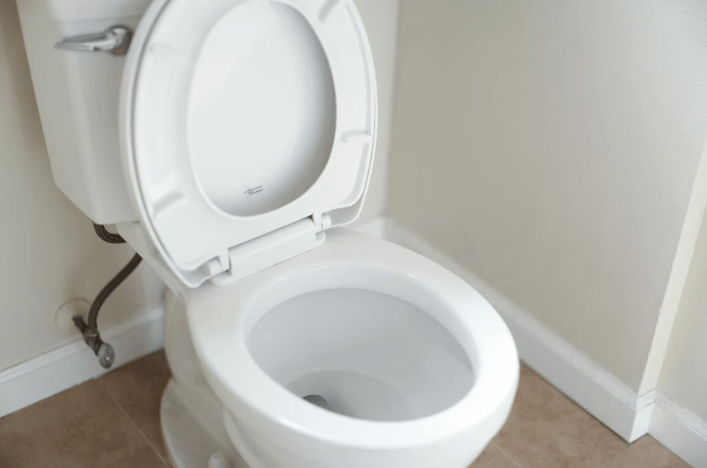
white ceramic toilet bowl with cover by Giorgio Trovato is licensed with Unsplash License