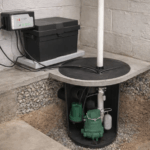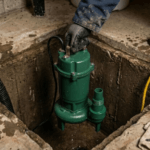
Zoeller vs Wayne Sump Pumps Comparison
Choosing between Wayne and Zoeller sump pumps could save your basement from turning into an indoor swimming pool. Both companies have kept Chicago homes dry for years, but they’ve got different strengths that matter when water starts creeping in. Our Allied Plumbing & Heating Supply Co. team has reviewed each brand’s performance statistics, construction materials, and real-world results to help you choose the best pump for your home.
Why the Right Sump Pump Brand Choice Can Save Your Basement (and Your Budget)
Here’s what you need to know about sump pump brands for your home.
Elements That Make a Sump Pump Brand Superior
In 2025, the best sump pump brands feature advanced motor technology and smartphone connectivity. Cast iron construction dissipates heat during continuous operation, while oil-filled motors reduce energy consumption during potential Chicago spring floods. Most residential systems producing 1/3 to 1/2 hp can handle 2,000 to 5,000 gallons per hour (GPH), and smart technology offers Wi-Fi connectivity, phone alerts, and remote monitoring.
The Real Cost of Choosing the Wrong Pump
The wrong choice of pump can create expensive consequences. Water damage restoration services average between $3,800 and $3,900; minor cases can be lower, but extensive repairs can reach $6,000 or more. Severe basement flooding can cost significantly more, and mold remediation adds $1,500 to $4,000. Mold can begin growing within 24 to 48 hours on damp surfaces, so prompt attention is essential.
Professional sump pump installation costs $1,000 to $2,500 for simple jobs, but it can go higher if the installation is complex. Contrast this against the potential cost of remediating flood damage. Quality Zoeller or Wayne systems prevent foundation damage, high energy costs, and emergency service calls. Proactive investment usually costs less than replacing damaged drywall and furniture.
Zoeller vs. Wayne: Brand Overview
Each company has years of experience and expertise. Let’s look at what makes them different.
Zoeller’s History, Market Position, and Core Products
Founded in 1939, Zoeller has protected basements for over 80 years. Their “Trusted. Tested. Tough.” brand positioning reflects decades of reliable manufacturing. The M53 Mighty-Mate features a 1/3-hp motor delivering 2,580 GPH, ideal for most residential basements.
Zoeller’s cast iron construction and nonclogging vortex impellers effectively handle debris. Its professional models have earned contractors’ respect, while residential versions deliver quality without premium costs. Pricing ranges $200 to $900, averaging around $400 — higher than competitors but justified by performance during floods.
Wayne’s Evolution, Market Share, and Product Focus
Wayne Water Systems has provided water protection since 1928. It’s known for rust-resistant construction, quiet operation, and strong warranties. The Wayne CDU980E moves 4,600 GPH and has cast iron construction, a stainless steel housing, and a five-year warranty.
Wayne’s WSS30V combination system integrates a 1/2-hp primary pump with battery backup. Most Wayne sump pumps cost $150 to $400, though professional-grade units exceed $1,000. Unlike Zoeller’s cast iron construction, Wayne often uses thermoplastic and stainless steel.
Performance and Reliability Comparison
Now we’ll explore the fine details that determine sump pump reliability and performance.
Build Quality, Materials, and Pumping Metrics
Zoeller’s cast iron effectively dissipates heat during continuous use. Cast iron pumps offer stability but weigh more, making installation more difficult. Wayne’s CDU980E model handles 5,490 gallons per hour, ideal for significant groundwater challenges.
A significant consideration is that pump performance varies by elevation, so feel free to contact out team to discuss how well a product will do at your residence.
Energy Efficiency, Life Span, and Common Failure Points
Most sump pumps consume from 700 to 2,300 watts. Submersible pumps require 400 to 750 watts, while pedestal pumps consume less, at 100 to 250 watts.
Submersible pumps typically last eight to 12 years due to constant water exposure, and pedestal pumps have a 15- to 20-year life span thanks to their dry motors. If you’re wondering how long sump pumps last, their average service life is seven to 10 years, depending on usage frequency and environmental conditions.
Installation, Maintenance, and Support
Let’s explore what’s required for installation and maintenance.
Installation Complexity, Maintenance Needs, and Parts Availability
You can handle battery backup installation yourself with basic plumbing skills. More complex setups require professional installation, costing $600 to $2,500, and battery backups need to be replaced every four to five years.
It’s best to schedule pump checkups twice yearly, in early spring and fall. Proactive homeowners check power connections, screen debris, float switches, look for pipe cracks, and inspect for pit buildup every three or four months. Zoeller and Wayne parts are typically available in the Chicago area.
Warranty Terms, Customer Service, and Support Quality
Both Zoeller and Wayne offer solid three- to five-year warranties and responsive customer service. Most quality pumps include three years of protection.
These companies both provide good technical support for repairs or replacements; you’ll find that the big names usually offer better parts availability and shipping.
Price and Value Proposition
Pricing is always a consideration. Let’s examine the differences.
Entry-Level, Midrange, and Premium Model Pricing
Wayne owns the budget-friendly space at $150 to $400. However, professional-grade units can exceed $1,000 for specialized setups where failure isn’t an option. Zoeller pumps cost $200 to $900; most are around $400. Prices rise during spring floods, so plan ahead.
Total Cost of Ownership and Long-Term Value
Quality pumps deal with clogs better. They have reliable switches, and reduce repair bills and energy costs. You should factor in installation, electricity over 10 years, maintenance, and replacement frequency when determining your long-term cost. Good pumps deliver eight to 12 years of dry floors.
Wayne pumps have an excellent value proposition, thanks to its solid $100 to $400 pumps. Well-established brands hold their value due to long-term parts availability. An efficient pump can save hundreds over a decade compared to less efficient models.
Choosing Your Ideal Sump Pump Brand for 2025
Choose Zoeller for maximum durability in demanding applications. Though heavier and pricier, Zoeller pumps are ideal for challenging conditions. Evaluate your risk of basement flooding, power outages, and budget constraints before making a decision.
Wayne products offer smart features, combination systems, and competitive pricing. Wayne’s energy-efficient models with advanced motor designs reduce utility costs during frequent pump cycles.
Reliable pump selection is critical, since 60% of American homes experience basement flooding. Wayne suits DIY-oriented homeowners, while Zoeller appeals to “set and forget” preferences. Remember, the right pump will cost less than water damage restoration.
Contact Allied Plumbing & Heating Supply Co. for Your New Sump Pump Today
Contact us at Allied Plumbing & Heating Supply for Chicagoland pump recommendations and professional installation that’ll ensure dry basement protection. Get yourself an expert consultation and a professional installation from our team; it’s much better than dealing with water cleanup and battling your insurance company.
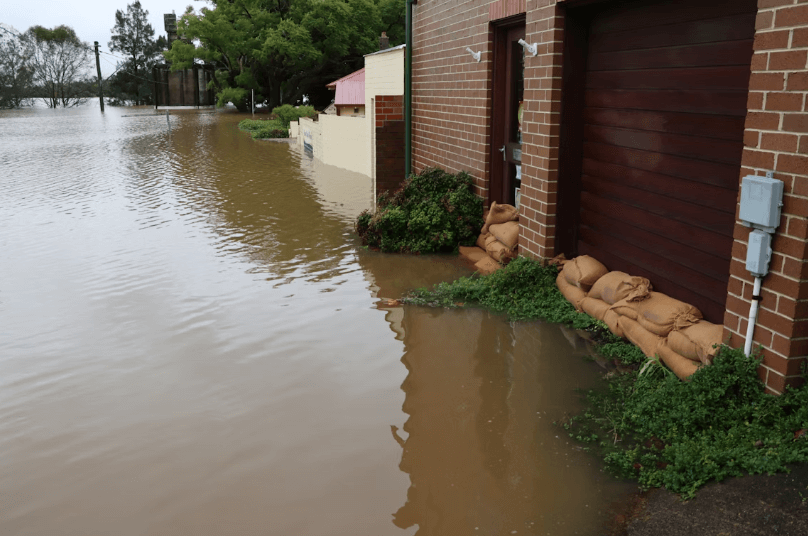
a flooded street with a building and a dog lying on the ground by Wes Warren is licensed with Unsplash License